About us

Take control of your breakwater
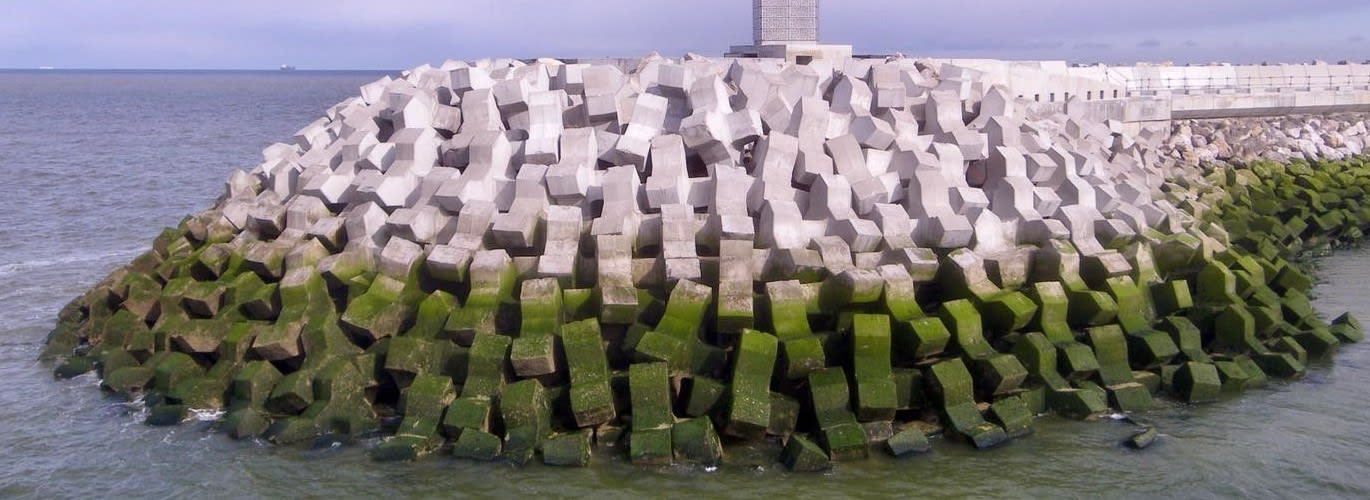
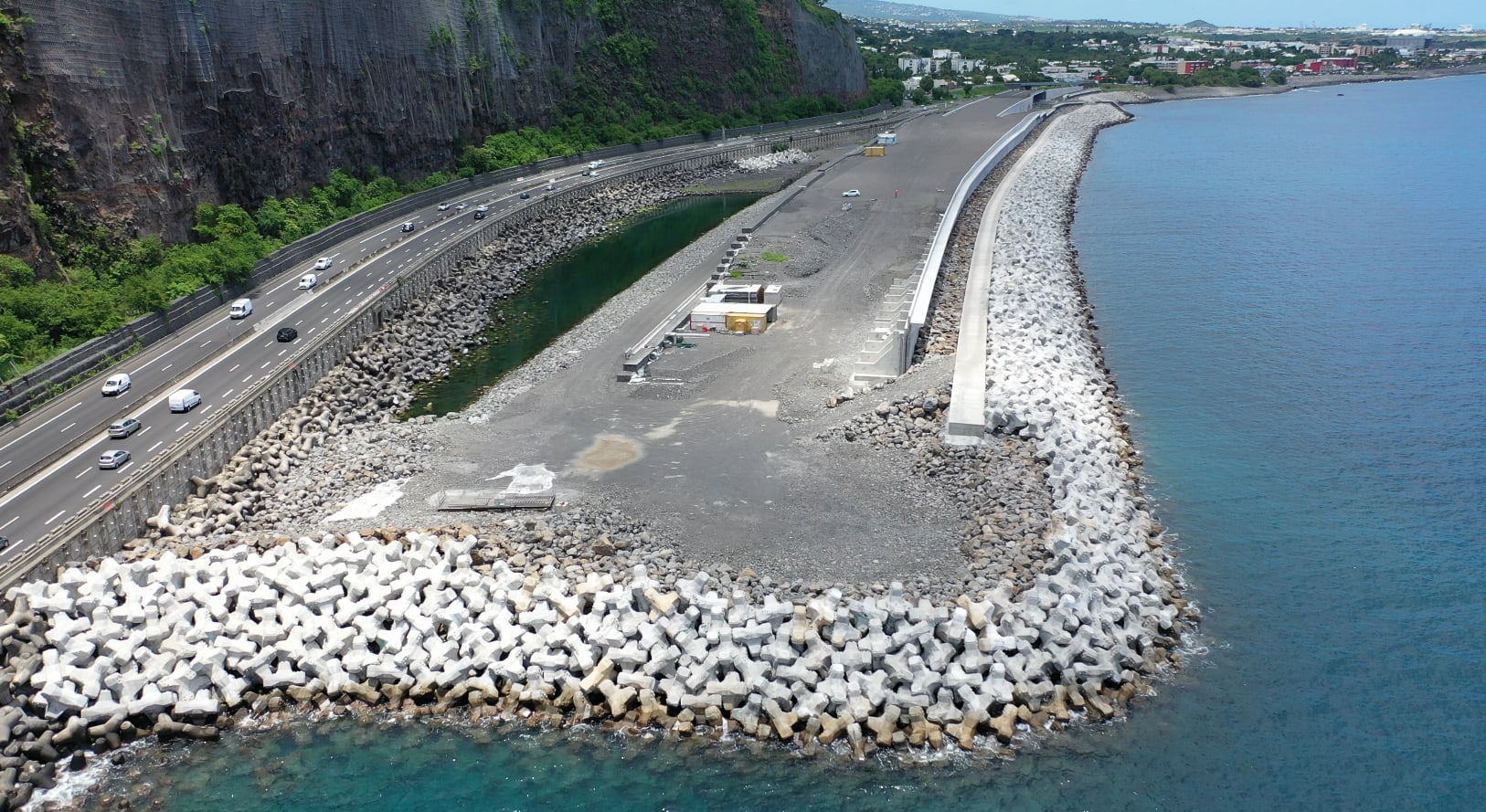
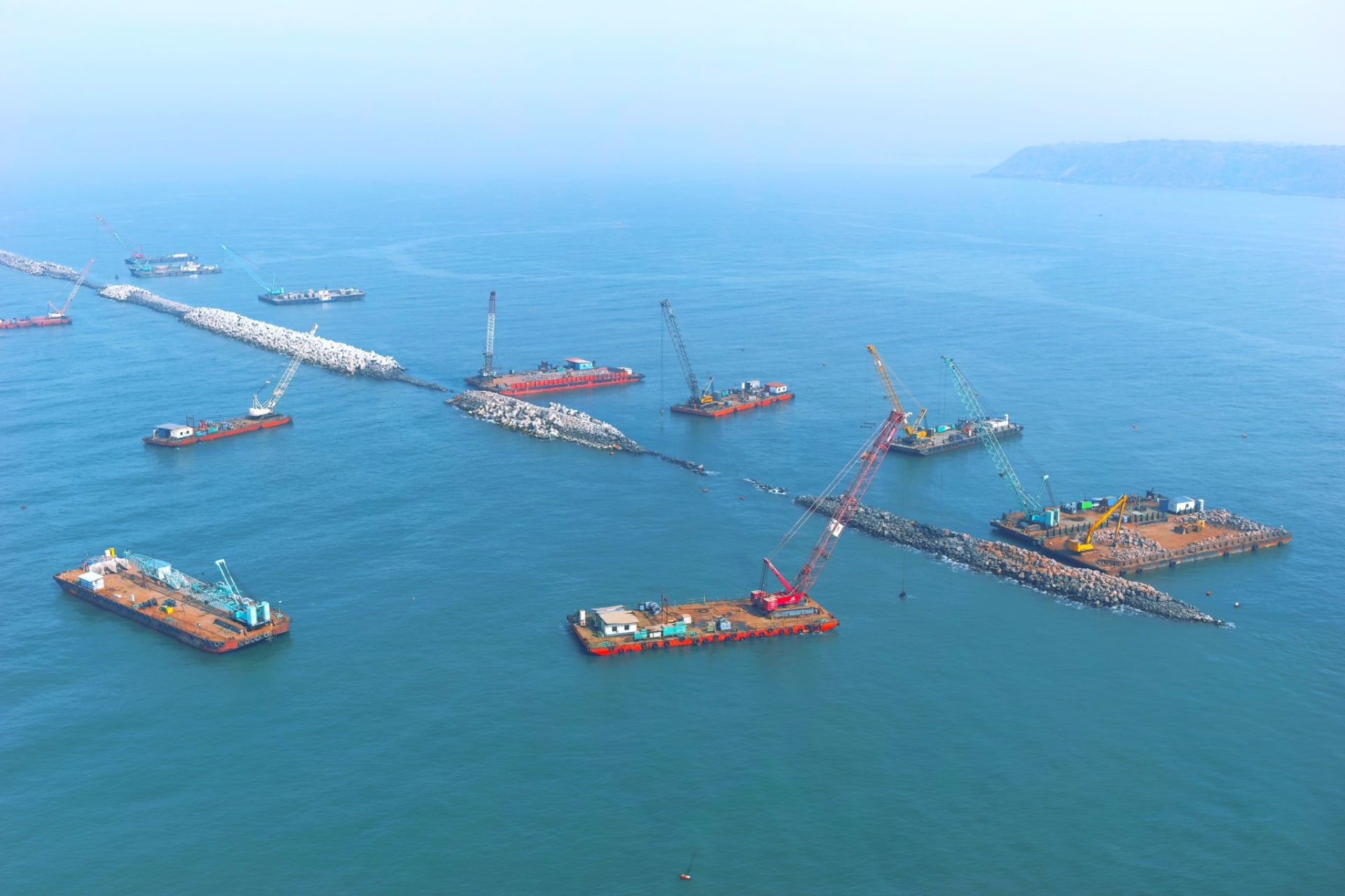
In ports, rubble-mound breakwaters with a single artificial armor layer protect the navigation area and are therefore highly exposed to waves. To ensure the stability of the structure, the revetment concrete units must be installed according to precise interlocking rules that must be monitored during the progress of the project. Moreover, concrete armour units can degrade or shift during the life of the structure. If damages are not spotted in time, this can require major repair costs as well as a halt in port operation, leading to significant revenue losses for the operator.
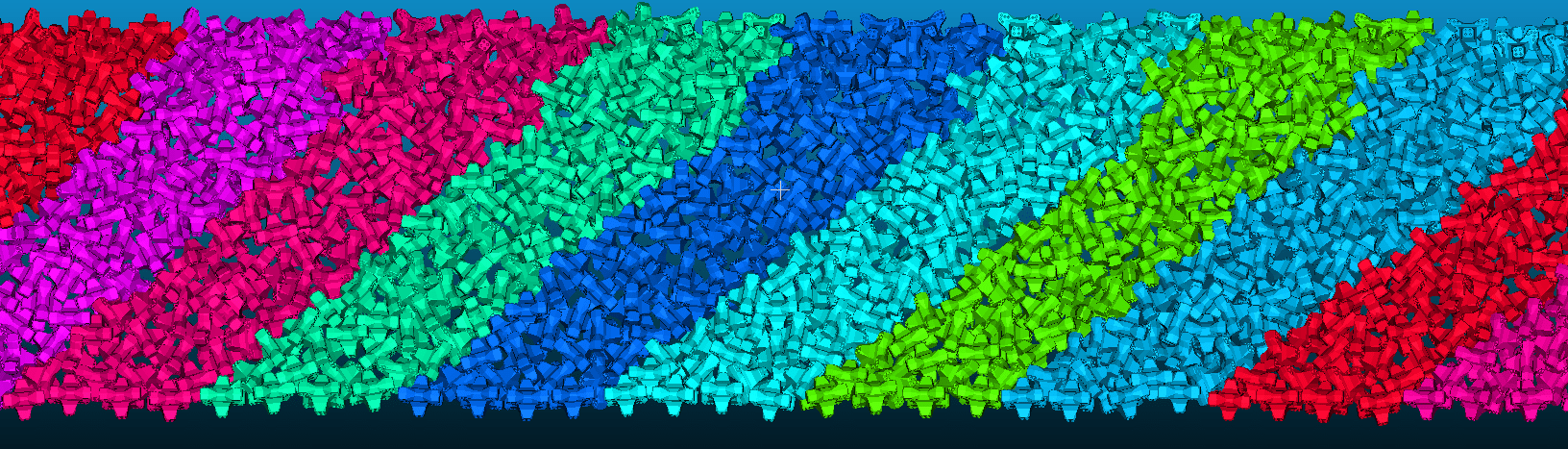
Generating a digital 3D model of the revetment during construction allows for quick and objective control of the block interlocking quality as work progresses. This avoids costly block removal and reinstallation operations for the company. The digital twin of the structure thus serves as a unique reference shared by all project stakeholders until delivery.
During the active life of the structure, the manager can then, based on the updated 3D model, closely monitor the evolution of the armor layer over time to anticipate any need for preventive maintenance.

Steps of 3D modeling
1. Point Cloud Data Collection
Firstly, a point cloud is collected using remote sensing techniques such as photogrammetry or airborne LiDAR, and multibeam bathymetry underwater. This step involves capturing thousands of individual points that reflect the topography of the visible surface of the revetment. Mastering this step is crucial as the precision and quality of the model directly depend on the quality of the initial point cloud.
2. Automatic Block Identification
Using the cleaned point cloud data, our artificial intelligence algorithm coupled with a statistical tool enables automatic identification of the position and orientation of the characteristic shape of the blocks within the point cloud. This allows for modeling several hundred blocks per minute, a task that would take hours with manual processing
3. Assembly of the armour layer
After identification, the blocks are virtually assembled to form the revetment of the breakwater. This step requires manual adjustments and expertise to ensure that the modeling accurately reflects the actual structure.
4. Rendering and Visualization
Finally, the 3D model is rendered using dedicated 3D visualization software. This enables engineers and decision-makers to see the structure in three dimensions, facilitating the understanding and communication of the breakwater's characteristics.
5. Analysis and Optimization
The obtained 3D model can then be used to analyze nesting and stability criteria. It can also be used to plan repairs.