Blog
How can 3D digital twins improve monitoring of breakwaters?
Breakwaters protect ports and coastal areas from swells and flooding, but monitoring them remains a major technical challenge. Harsh marine conditions, costly inspections, and a lack of accurate data make it difficult to assess their true condition.
With climate change and more frequent extreme weather events, monitoring breakwaters has become critical. New solutions are emerging, notably 3D digital twins, which enable more precise and sustainable management of coastal infrastructure.
Why monitoring breakwaters has become essential
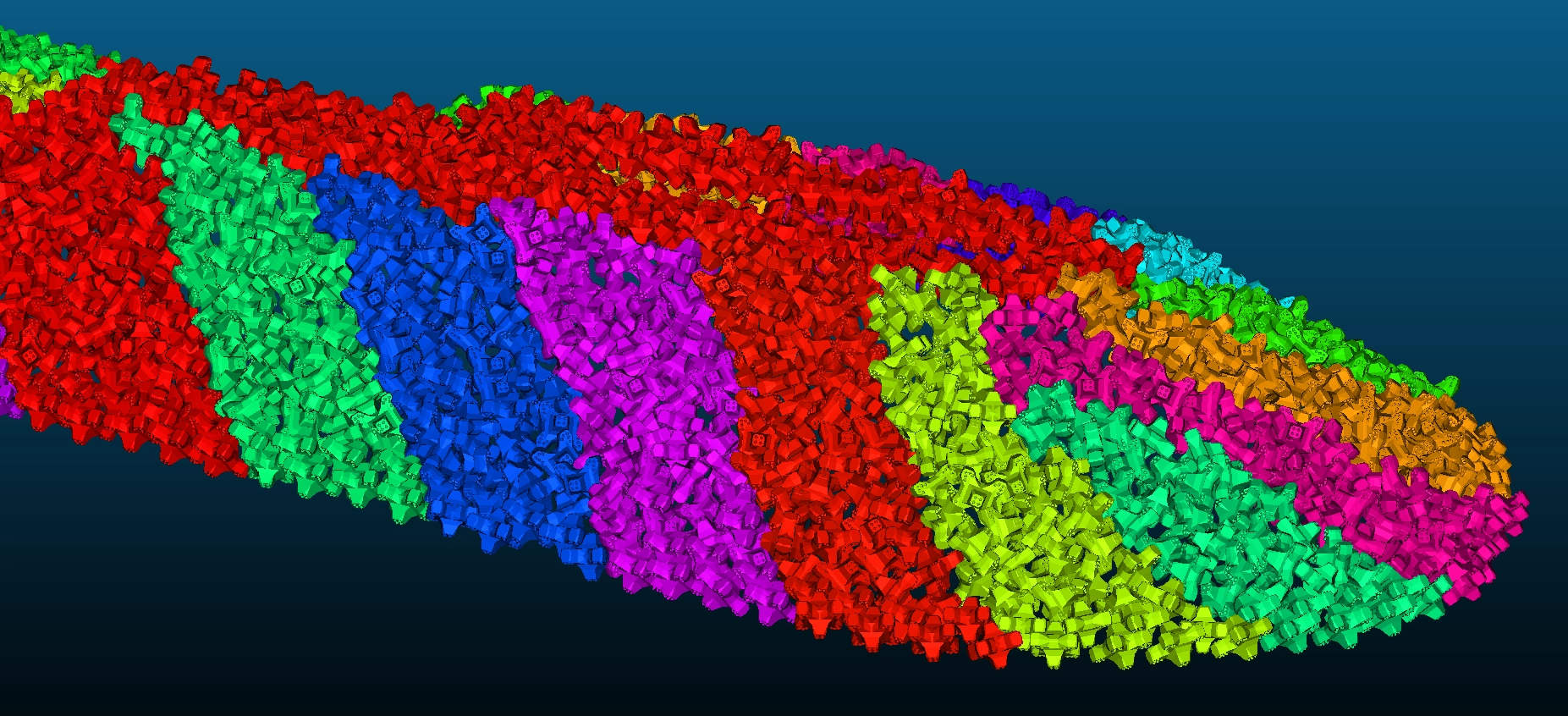
Breakwaters built from prefabricated concrete blocks can withstand harsh marine conditions. Their performance depends on how well the blocks interlock, dissipating wave energy.
Over time, different types of deterioration can occur:
- —displacement of certain blocks,
- —cracks or breaks,
- —localised settlement,
- —gradual loss of stability.
This damage is not always immediately visible, but it can eventually lead to significant structural deterioration.
Rising sea levels and stronger swells are now increasing these stresses. Structures designed decades ago are facing harsher conditions than originally anticipated.
Regular monitoring of breakwaters is therefore essential to anticipate risks and avoid major, costly repairs.
Traditional inspection methods and their limitations
Inspections by divers
Traditionally, underwater inspections have been carried out by professional divers. They visually assess the condition of the seawall and take measurements in specific areas.
This method remains useful, but it has several limitations:
- —underwater visibility is often poor,
- —defects can be difficult to pinpoint,
- —analyses rely on human observation,
- —processing videos and photographs is time-consuming.
Inspecting long sea walls is also highly time-consuming and requires substantial human resources.
Bathymetry
Bathymetry maps the seabed using acoustic signals, producing detailed point clouds of the breakwater's surface.
This technology generates a large amount of data, but interpreting it requires technical expertise. It also does not allow the analysis of each individual block within the breakwater's structure.
The information exists, but its use remains limited.
The 3D digital twin: a new way of inspecting structures
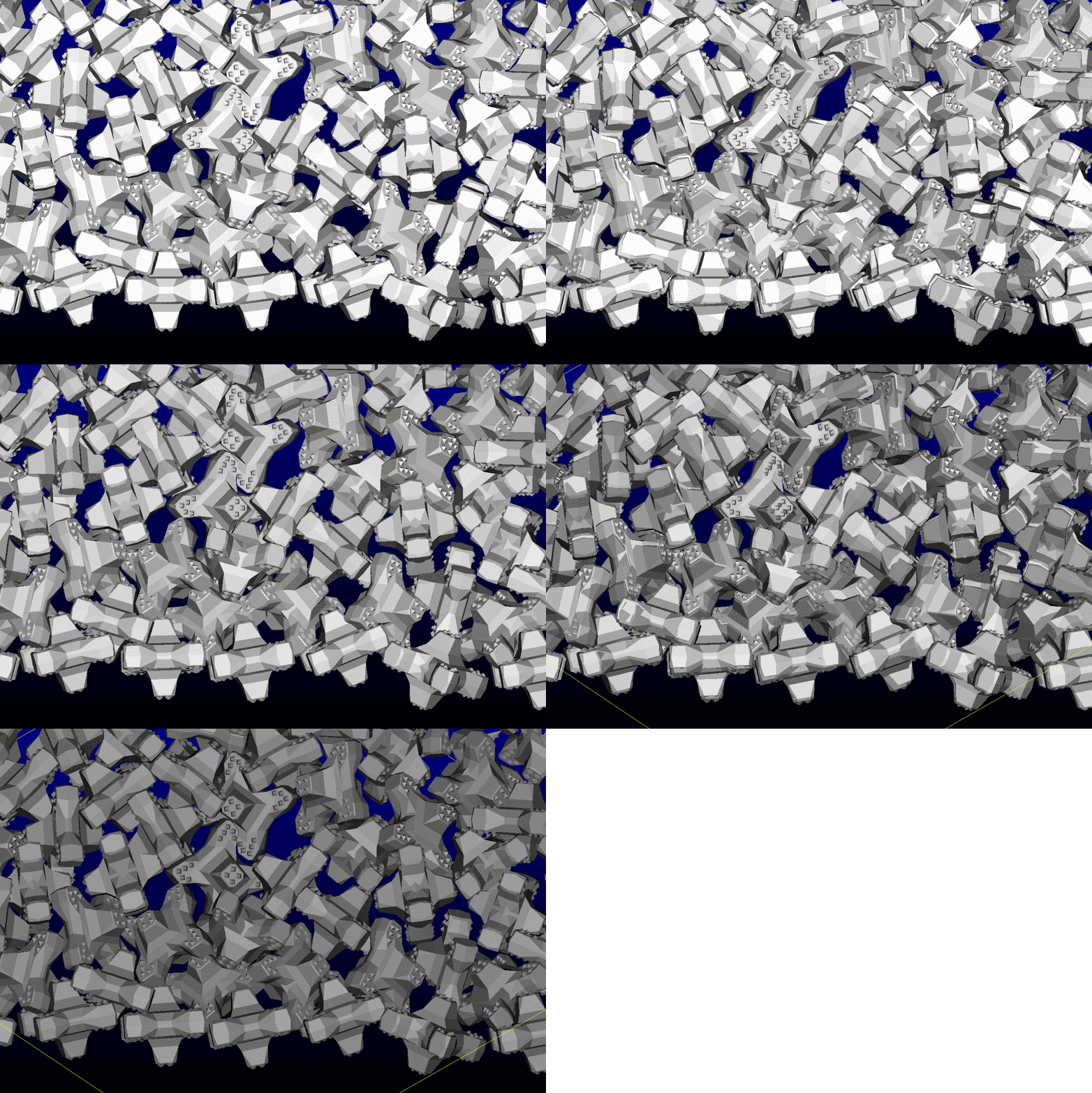
A digital twin is a virtual representation of a real-world structure, created from field measurements.
For sea defences, several technologies are combined:
- —multibeam bathymetry for submerged sections,
- —LiDAR for above-water areas,
- —photogrammetry where necessary.
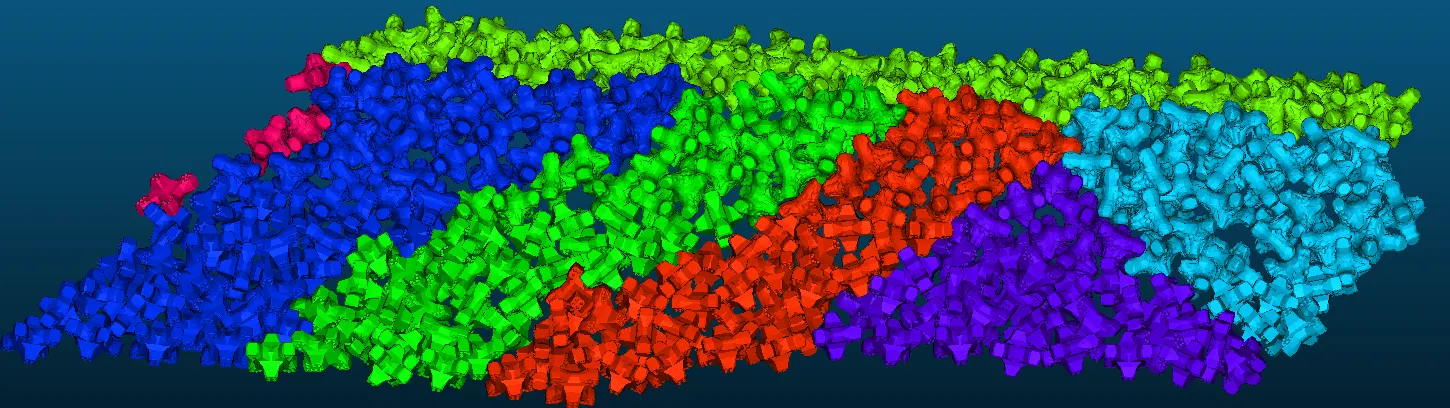
Algorithms then recognise the shape of the blocks and reconstruct a complete 3D model of the seawall.
This model offers a comprehensive, accurate view of the seawall, making it much easier to analyse than a series of individual images or surveys.
The benefits of a digital twin for improved dyke management
A more objective analysis
The conclusions are based on measured, quantified data rather than a simple visual inspection.
A clearer understanding for all stakeholders
Engineers, operators, and insurers can use the same model and share a common view of the structure's condition.
Rapid identification of anomalies
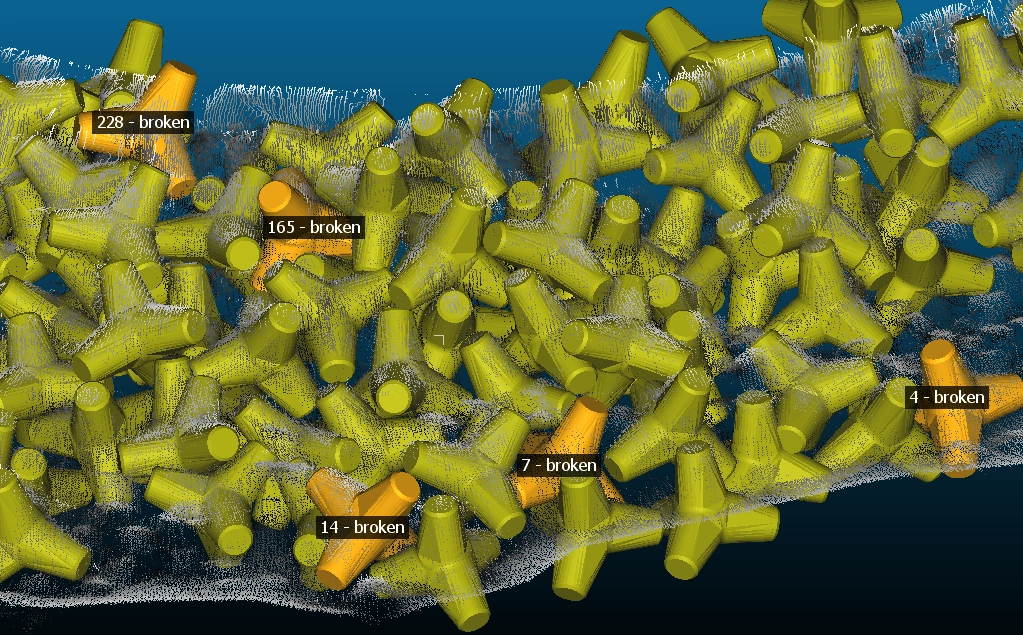
Anomalies such as broken or displaced blocks can be detected automatically by comparing the theoretical model with the actual data.
Optimising inspections
Human intervention can be focused on the areas where anomalies are detected.
Long-term monitoring
By comparing models over time, it is possible to track precisely how each block changes.
Simplified preventive maintenance
Repairs can be carried out before problems become critical.
Towards more sustainable management of maritime infrastructure
The main advantage of the digital twin is that it changes how breakwaters are managed. We are gradually moving away from a reactive approach — addressing issues only after damage has occurred — towards a preventive, data-driven approach.
This method enables us to:
- —improve the safety of structures,
- —better control maintenance costs,
- —extend the lifespan of infrastructure.
In a climate of uncertainty, having accurate, up-to-date information is a real asset for port managers.
Conclusion
Breakwaters remain essential infrastructure, yet they are highly vulnerable to natural hazards. Traditional inspection methods, while useful, are increasingly reaching their limits as climate-related and technical challenges grow.
The development of 3D digital twins offers a new approach to monitoring structures, one that is more comprehensive, more accurate, and better suited to long-term asset management. Rather than simply recording deterioration, it becomes possible to understand how a breakwater evolves and to anticipate the actions needed to preserve it.
More articles
May 2026
How did CLI change their process for validating breakwater armor units using a 3D digital twin?
For years, validating the compliance of breakwater armor layers demanded the full-time presence of an on-site diver inspector. CLI (Concrete Layer Innovations) revolutionized this process by adopting a 3D digital twin approach — cutting costs and redefining inspection standards.
July 2026
From Post-Processing to Real Time: Our New Step for Breakwater Placement Control
Since 2019, SEABIM has been digitising breakwater armour units in 3D through post-processing. Discover how real-time digitisation is now transforming placement control on maritime construction sites.